

Seamlessly run payroll, track expenses, and calculate taxes without juggling separate tools. Automatically add tracked time and expenses, calculate taxes, and customize your payment options. Real estate fund accounting creates trust by showing that funds are managed professionally. Real estate fund accounting is often used when development projects involve multiple investors.
Best practices for accurate bookkeeping
- One of the major accounting complications faced by wineries is extensive regulatory compliance (and its changes).
- And even different types of businesses within the same industry will have different accounts.
- Instead of drowning in spreadsheets or piles of receipts, landlords can let accounting software for property management handle the heavy lifting of financial tracking.
- Unlike many other industries where goods are produced and sold relatively quickly, wine production can take several years from grape cultivation to bottling and sales.
- © 2017 Accountant websites designed by Build Your Firm, providers of CPA and accounting marketing services.
- 360Winery centralizes accounting and compliance in a secure, cloud-based environment.
Wineries must invest in robust accounting systems that can handle both cash and accrual methods. Don’t rely just on spreadsheets, leverage technology as best as possible. Based on our experience working with small wineries, we have put together a suite of services to make sure your core needs are met when it comes to bookkeeping and accounting. We keep a close eye on prime costs, inventory tracking, cost of goods sold, and all the details that impact your bottom line.
Benefits of Outsourcing Accounting for Real Estate Business
- Navigating the maze of regulatory requirements and tax obligations is crucial for wineries to operate smoothly and avoid penalties.
- The TTB and state regulators publish filing and payment rules; treat those dates like key cash deadlines when you build monthly forecasts.
- It anticipates the needs of freelancers and small businesses well—better than competitors in this class.
- They have specialized skill sets that can implement systems and control processes to track inventory accurately.
- The greater understanding and control you have over your costs, the greater your chance for running a profitable winery.
Many outsourced accounting providers integrate their services with the best real estate brokerage software, giving investors access to powerful tools without additional licensing fees. By following these tips and best practices, you’ll establish a solid foundation for efficient rental property bookkeeping. The combination of a good software tool and good habits means you’ll spend less time hunched over accounts and more time managing and growing your investment.
- Many winery owners attempt to manage their entire operation under a single accounting system.
- This information is not intended to create, and receipt does not constitute, a legal relationship, including, but not limited to, an accountant-client relationship.
- These depend on the type of wine that is being manufactured, the content of alcohol in them, and their delivery destination.
- This revenue is then distributed to the shareholders, who tend to be the same individuals or entities that own the exporter, as qualified dividends.
- Proper accounting helps track all expenses and ensures the project stays on budget.
- FreshBooks makes it easy to stay organized, keep track of payments owed and expenses made, send invoices and accept payments.
Winery Accounting 101: How to Properly Value Your Inventory for Long-Term Business Success

This is unrealistic for most wineries because wine is typically vintage-dated, with older vintages sold before newer ones. This method assumes that items flow through inventory in the order they were purchased or produced. The market generally determines what someone is willing to pay for your wine, so the cost of making and selling that wine largely determines how much profit is left over. We begin by establishing a Purchases Journal strong foundation with clean books, efficient systems, and clear communication. We ensure you understand how to work effectively with us, access your information easily, and maximize the value of your reports. All of these costs should be accounted for in the costing of your product and ultimately the value of your inventory.
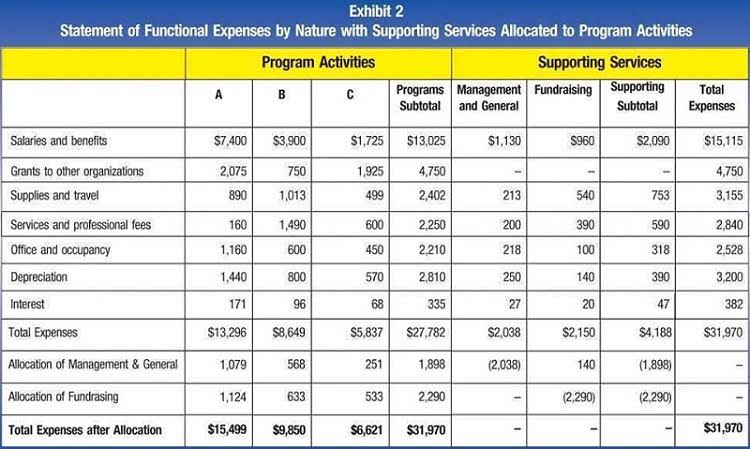
- The distribution of overhead costs poses a significant challenge for wineries of all sizes.
- It is the process of recording, managing, and reporting financial transactions related to property ownership and investment.
- Different varietals, production methods, and packaging choices impact costs, and that needs to be tracked down to the SKU level so you can price accordingly.
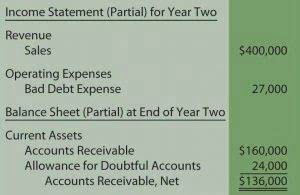
- This Matching Principle dictates that expenses should be recorded in the same period as the revenues they help generate.
- Accurate financial reporting helps wineries comply with regulatory requirements, identify trends, and make strategic business decisions.
It helps you track commissions, manage escrow accounts, and generate accurate financial statements for investment properties—capabilities that most free tools can’t handle. Managing the finances of rental properties can be challenging for landlords, especially when relying on manual methods. About 42% of real estate owners were still using spreadsheets or even paper-based processes to manage properties, rather than specialized software. These traditional methods can lead to disorganized records and costly errors. This guide will explain what these tools are, how they help streamline your operations, and what rental property owners should look for to choose the best solution for their needs.
The wine industry faces unique compliance challenges due to the nature of its product and the stringent regulations governing its production and sale. Effective tax planning and adherence to compliance standards not only ensure legal operation but also contribute to financial stability and growth. This involves separate accounts for bulk wine inventory, finished goods, bottles and packaging, bottling expenses, freight in, tasting room sales, direct to consumer shipping and excise tax payable. Understanding COGS helps wineries determine the actual cost of producing their wine, including raw materials, labor, and overhead.

Unlike many other industries where goods are produced and sold relatively quickly, wine production can take several years from grape cultivation to bottling and sales. Modern winery operations require seamless integration between production tracking, inventory management, sales systems and accounting software. Without this integration, staff must manually transfer data between systems, increasing the risk of errors and creating inefficiencies in the accounting process. If a winery doesn’t know its true costs, winery accounting pricing decisions become a guessing game.
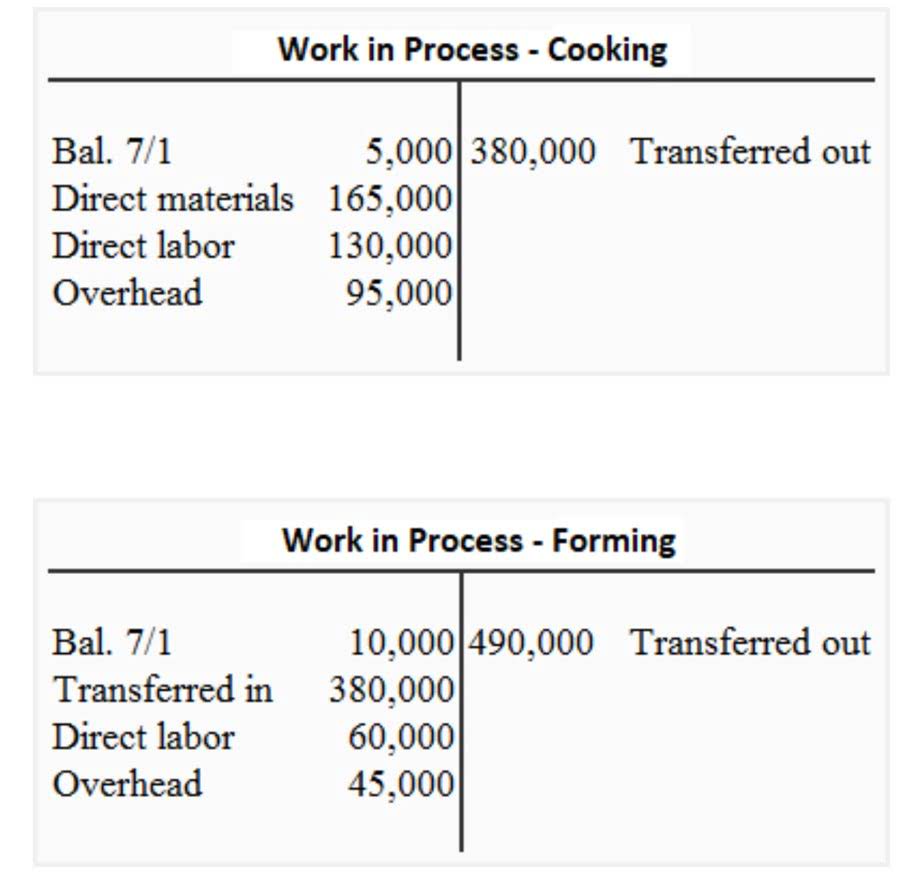
Here’s one of their episodes featuring our CEO, Ashley Leonard, talking about inventory management and cost accounting for wineries. To make matters simpler, winery costs are broken down into specific cost categories according to steps in the winemaking process. At each stage of production, there are costs for materials, labor, and overhead. By tracking your investment and usage in these aspects of production, you form an accurate idea of the cost for the wines you sell. Modern real estate brokerage software is designed to manage property listings, tenant information, rent collection, and maintenance schedules.
Accounting for real estate business must be well-organized to avoid confusion and misreporting. We worked with a three-generation winery group in Walla Walla where the founder’s kids inherited confusing ledgers and mismatched cost tracking. Aging wine is not just a luxury—it’s a balance sheet black box if you’re not careful. Is it time to set your winery up with an accounting system that actually works? So if you want help building a vintage cost sheet, setting up lot tracking in QuickBooks, or planning cash around a bottling run, reach out to Llamas Financial. Yet, getting the accounting right is critical to making better decisions, protecting the value of your vintages, and sleeping easier at night.
Why is inventory valuation important in wine accounting?
Let’s dive into the core differences between accrual and cash accounting methods, and how choosing the right accounting method framework can significantly impact your winery’s management. You will need to decide how much to spend on production overall, including https://the-first-harvest-club-r3i.zipwp.site/what-is-the-difference-between-stale-cheque-and-5/ how much to spend on grapes, glass, label, closures, and more. Then, you must decide how much money is going to be allocated between different departments to run the business and sell the wine. Finally, you must track how much is spent on all the other operational costs of your winery. It’s exacting work, and made worse by the often confusing overlap between overhead, production, and material costs.